










Oxford Cartilage & Sports Centre

Restore Confident Movement with cartilage repair that preserves your knee

A targeted approach to knee cartilage repair

Performed by Dr Francis Wong at Oxford Cartilage & Sports Centre

Oxford Cartilage & Sports Centre

Restore Confident Movement With Cartilage Repair That Preserves Your Knee

A targeted approach to knee cartilage repair

Performed by Dr Francis Wong at Oxford Cartilage & Sports Centre

When The Knee Still Functions, But Pain Keeps Returning

You might still be able to walk, climb stairs, and manage most daily movement. However, once you squat, kneel, jog, or place more stress through the joint, the pain starts returning. In other words, the knee is still functioning, but it no longer feels as smooth, steady, or dependable as it should be.

And as this pattern continues, the issue becomes harder to dismiss. The pain doesn’t seem to subside, and the joint might also swell after use, feel stiff when bending, or start clicking and catching during movement. What seems manageable at first can gradually become a more persistent problem affecting comfort and confidence in movement. At this stage, a more careful assessment can help clarify whether there is a deeper cartilage issue.

Expertise That Guides the Decision

When the knee keeps functioning, yet no longer feels smooth, steady, or dependable under load, the issue is no longer just the pain itself. What matters just as much is what continued stress might be doing inside the joint, especially when the same pattern keeps returning and the symptoms are starting to affect movement more often.

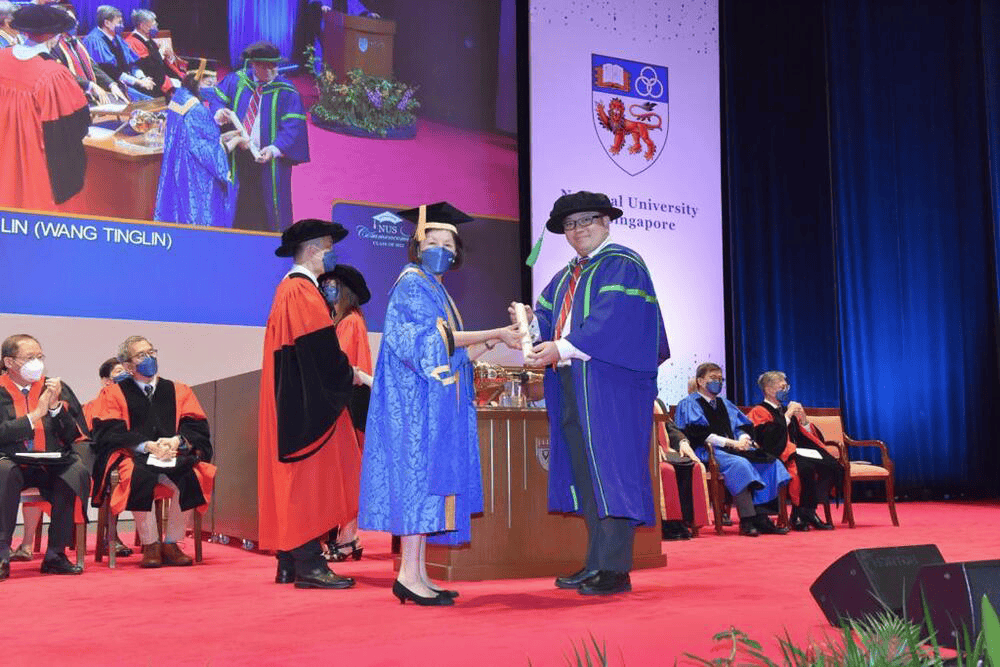
This is where cartilage-specific expertise matters. At Oxford Cartilage & Sports Centre, Dr Francis Wong focuses specifically on cartilage injuries and joint-preserving care, with the clinical judgement needed to assess whether there is a deeper cartilage issue and whether cartilage repair should be considered:

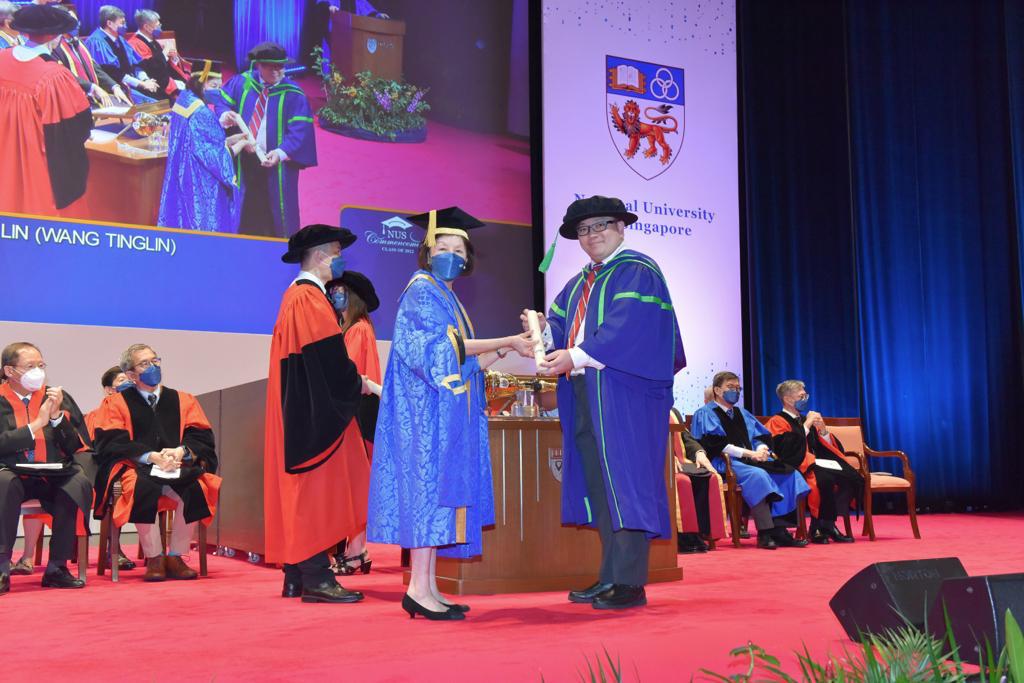
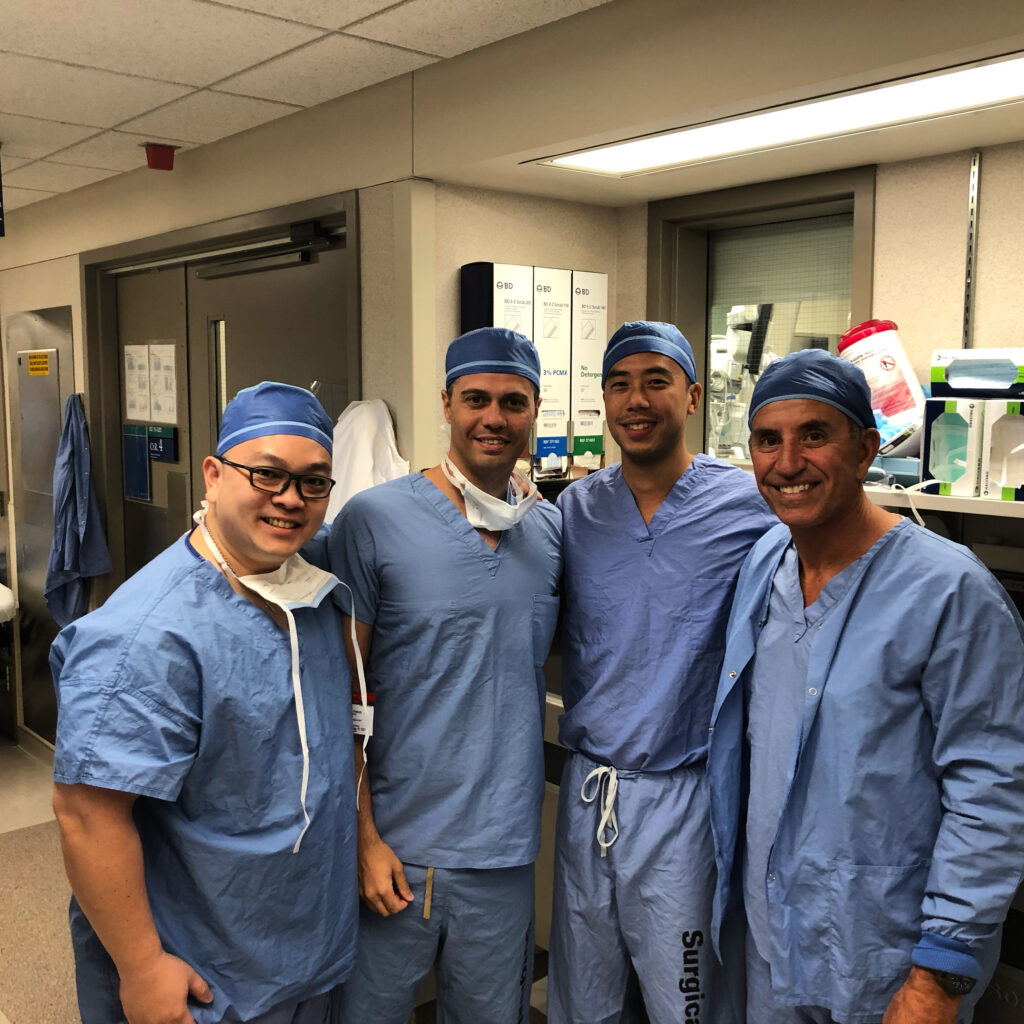
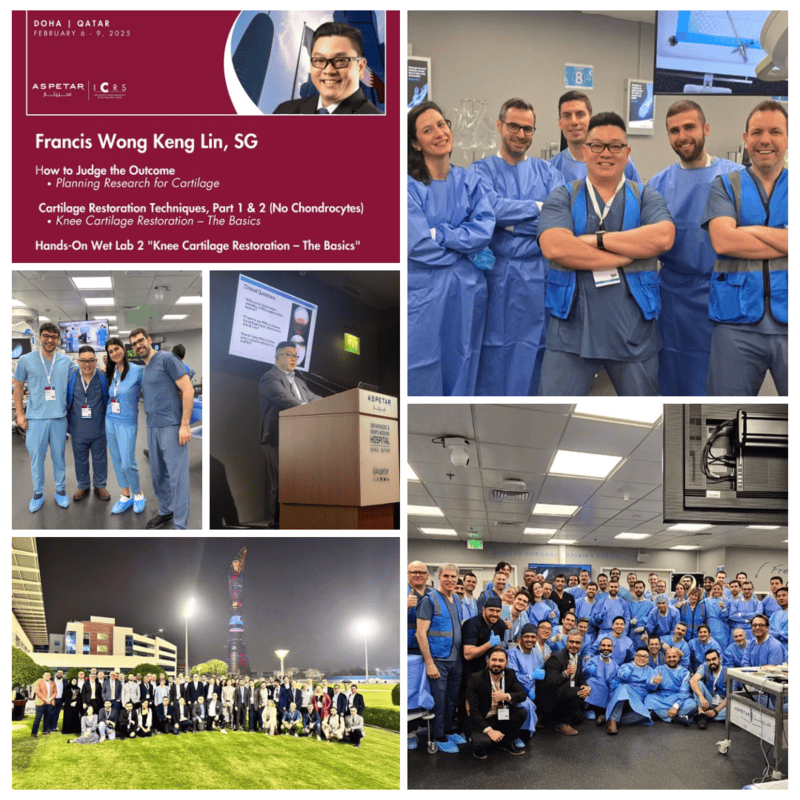
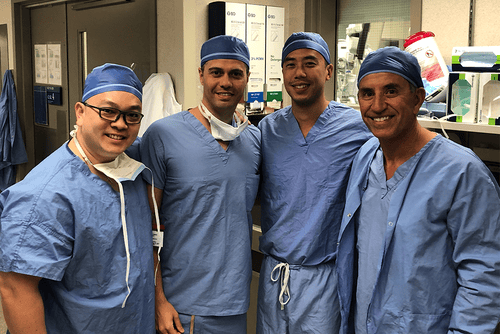
Dr Francis Wong

This depth of expertise matters because cartilage problems aren’t always straightforward. The condition of the joint, the extent of the damage, and the stress passing through the knee can all influence whether cartilage repair is suitable and how it should be approached. In situations like this, Dr Wong’s cartilage-specific focus brings a more informed and careful perspective to the decision.

Such an assessment is particularly helpful for those dealing with knee pain that keeps returning under load and trying to understand whether cartilage repair is still worth considering. By identifying the source and extent of the problem more precisely, Dr Wong helps patients make more informed decisions about the most appropriate path forward.

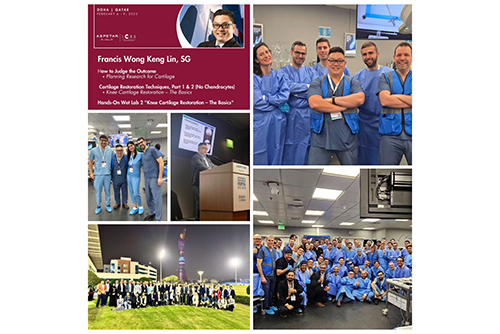
As Featured In

Dr Francis Wong’s Approach to Cartilage Repair

Cartilage repair involves a range of treatment methods, and choosing between them is part of the treatment itself. The size of the defect, the depth of the damage, the condition of the surrounding surface, and the way the knee is coping under stress can all influence which approach is more appropriate. For this reason, good cartilage repair depends not only on what is done, but also on choosing the method well.

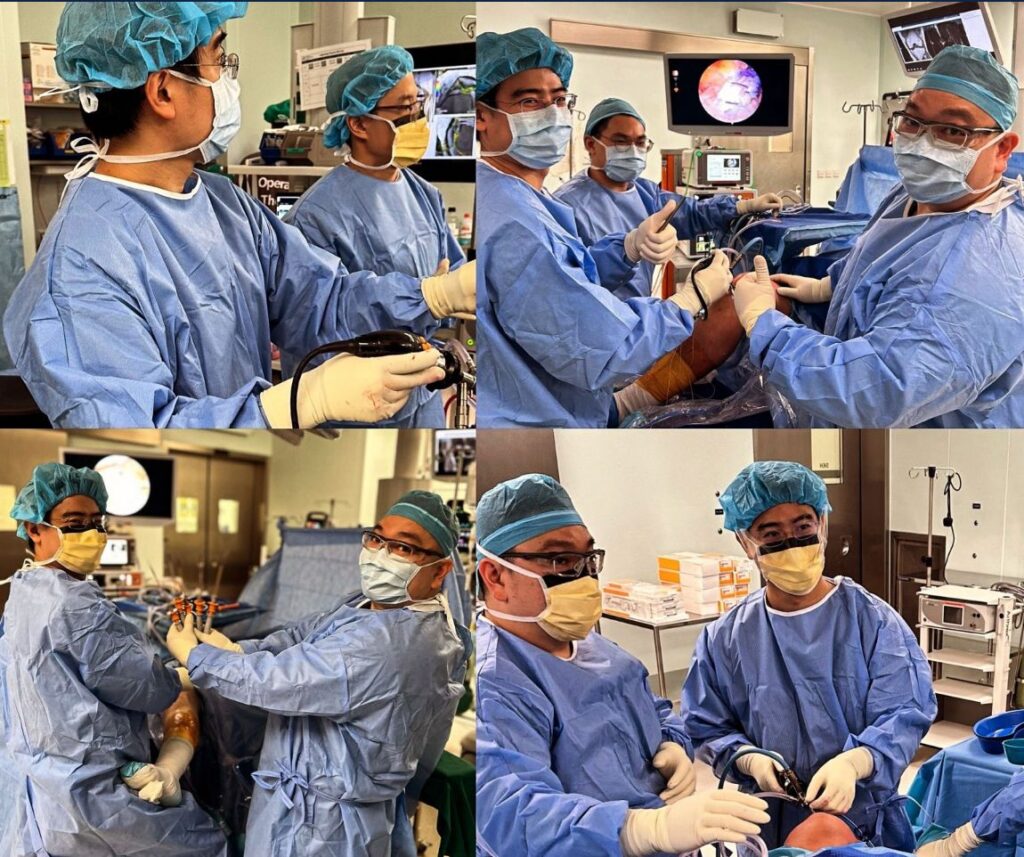
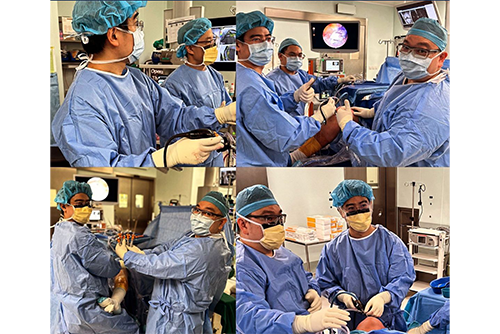
This is where Dr Wong’s focused work in cartilage repair and regeneration becomes particularly relevant. At Oxford Cartilage & Sports Centre, his approach reflects the kind of judgement, technical skill, and treatment planning needed in this area, as seen in the following:

Clinician-Scientist Leadership

Dr Wong combines surgical experience with a PhD in cartilage regeneration, bringing both scientific depth and clinical judgement to treatment decisions.

Modern Cartilage Repair Techniques

AMIC and AMIC+ are among the methods used by Dr Wong in cartilage repair.

Recognised by Geistlich

Oxford Cartilage & Sports Centre is a certified Geistlich AMIC Chondro GIDE Competence Center.

Could Cartilage Repair Be Right For You

When symptoms keep returning, the issue is often more than a temporary flare. The knee might still cope with daily movement to a point, but it no longer recovers or responds the way it should. Over time, this kind of pattern can begin to suggest a cartilage problem that deserves closer attention.
You might recognise signs such as:

And because cartilage doesn’t heal easily on its own, these symptoms are often a sign that the problem deserves a closer look.

Insurance Support and Care Coordination

Navigating the administrative side of healthcare can be complex, so our dedicated team aims to simplify this process, allowing you to focus on your recovery. Oxford Cartilage & Sports works closely with insurers throughout the claims and billing stages to help facilitate a smoother, more comfortable experience.

Because your coverage depends on your specific policy, we provide hands-on assistance for those under Integrated Shield plans (with private hospital riders) or Corporate Insurance plans. This includes helping you apply for a Letter of Guarantee (LOG) or a Pre-authorisation certificate, as well as working directly with surgical centres to help process medical claims on your behalf.

Our Recognised Insurance Partners

Integrated Shield

Corporate Insurance

Book Your Appointment

Determining whether cartilage repair is the right treatment for you starts with a thorough evaluation of the knee’s current condition. The aim is to understand the extent of the cartilage damage, how it’s affecting the joint, and whether the knee is still suitable for a joint preserving treatment approach.

As part of this assessment, imaging and clinical findings are reviewed to clarify the extent of the damage, how the knee is coping, and whether cartilage repair is appropriate. This allows the treatment plan to be matched more precisely to the joint, with long-term function and joint preservation in mind.

Complete the form to arrange a consultation with Dr Francis Wong today.